
Modern Interior Design: 7 Powerful Ideas for a Stylish Home
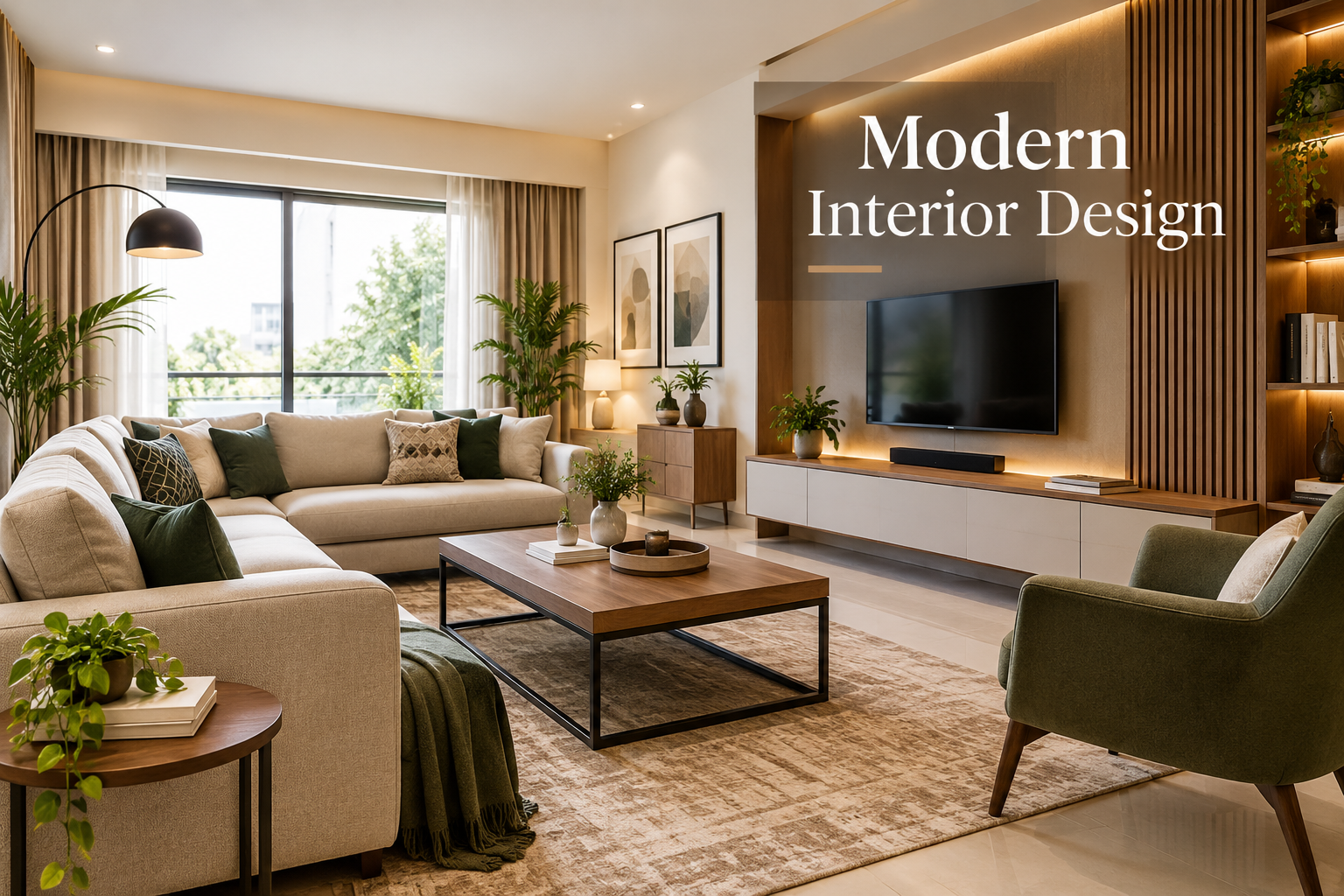
Modern interior design is a popular choice for homeowners who want a home that feels stylish, organized, comfortable, and functional. It combines clean lines, practical furniture, balanced colours, smart storage, good lighting, and carefully selected décor to create a space that feels modern without becoming cold or complicated.
Whether you are decorating a new home or renovating an existing one, understanding the basic principles of modern interior design can help you make better decisions about furniture, colours, materials, lighting, and room layouts.
In this guide, you will discover practical ways to create a modern home and apply the style to different rooms.
What Is Modern Interior Design?
Modern interior design focuses on simplicity, functionality, clean forms, and an uncluttered appearance.
The style has roots in the broader modernist design movement, which placed importance on functionality, simplicity, minimal ornamentation, and rational use of materials. Learn more about modernist design principles
Modern interiors usually avoid unnecessary decoration. Instead, furniture, lighting, colours, materials, and architectural elements are selected carefully so that they work together.
A modern home does not simply mean a home filled with new furniture. The main objective is to create a space where style and functionality work together.
If you are exploring different design approaches, you can also learn about other styles on our Interior Design Styles guide.
7 Key Elements of Modern Interior Design
1. Clean Lines and Simple Layouts
Clean lines are one of the most recognizable features of modern interior design.
Furniture, cabinets, walls, shelves, and other elements often use simple shapes instead of excessive curves or decorative details.
The layout should also allow people to move comfortably around the room. Avoid filling every corner with furniture.
Leaving enough open space can make a room feel larger, calmer, and more organized.
Modernism itself placed strong emphasis on simplicity, order, and functionality. Explore modernist design concepts
2. Neutral and Balanced Colours
Neutral colours are commonly used as the foundation of modern interiors.
Popular choices include:
- White
- Beige
- Cream
- Grey
- Brown
- Black
However, modern interiors do not need to be completely white or grey.
You can introduce muted greens, earthy tones, navy, terracotta, or other carefully selected colours through furniture, artwork, cushions, rugs, and accessories.
The key is to maintain balance rather than using too many contrasting colours.
3. Functional Furniture
Furniture should be attractive, but functionality should always come first.
Before purchasing a sofa, bed, dining table, or storage unit, consider:
- Does it fit the room?
- Is it comfortable?
- Does it provide enough storage?
- Does it allow easy movement?
- Does it suit your lifestyle?
Modern design has historically connected furniture with the practical operation of everyday living rather than treating furniture simply as decoration. Read about furniture and modernism
Choose furniture that solves a real need while contributing to the overall appearance of the room.
4. Natural and Modern Materials
Combining different materials can make a modern home more interesting without making it look cluttered.
Common materials include:
- Wood
- Glass
- Metal
- Stone
- Concrete
- Natural fabrics
For example, wooden furniture can add warmth to a room containing glass or metal elements.
Similarly, soft fabrics can balance harder surfaces such as stone and concrete.
The goal is to create contrast through texture and material, rather than excessive decoration.
5. Lighting and Open Spaces
Lighting plays an important role in modern interior design.
Natural light can make a room appear brighter and more spacious. Large windows, glass doors, mirrors, and lighter wall colours can help increase the feeling of openness.
For artificial lighting, consider using multiple layers such as:
- Ceiling lights
- Pendant lights
- Wall lights
- Floor lamps
- Table lamps
- Accent lighting
Instead of depending on a single bright light, combining different sources allows you to create different moods throughout the room.
6. Smart Storage
Good storage is especially important in modern homes.
Visible clutter can make even a beautifully designed room look disorganized.
Consider:
- Built-in wardrobes
- Floating cabinets
- Storage beds
- Wall-mounted shelves
- TV storage units
- Multi-purpose furniture
The objective is to keep everyday items organized while maintaining a clean appearance.
7. Minimal but Meaningful Décor
Modern does not mean completely empty.
Instead of displaying dozens of decorative objects, select a few pieces that add personality to the room.
For example, you could use:
- One large artwork
- Indoor plants
- A textured rug
- Decorative cushions
- A statement light
- A sculpture
- Personal photographs
Choose décor that has a purpose or emotional value.
How to Use Modern Interior Design in Different Rooms
Modern interior design can be adapted to almost every room in your home.
The important thing is to maintain a consistent design direction while making sure each room serves its specific purpose.
Modern Living Room
The living room is often the main space where modern design becomes visible.
Start with a comfortable sofa that is correctly sized for the room.
Add a simple coffee table, practical storage, appropriate lighting, and a limited number of decorative pieces.
A neutral colour palette can be combined with wood, plants, artwork, or subtle accent colours.
If your living room is small, avoid oversized furniture. Keeping clear walking paths can make the space feel more open.
Modern Bedroom
A modern bedroom should feel calm, comfortable, and organized.
Choose a bed with a simple design and combine it with practical bedside tables.
Soft bedding, curtains, rugs, and warm lighting can prevent the bedroom from feeling too cold.
Built-in wardrobes are another useful option because they provide storage without creating unnecessary visual clutter.
Modern Kitchen
Modern kitchens focus heavily on functionality and organization.
Flat-panel cabinets, simple handles, clean countertops, integrated appliances, and smart storage can create a streamlined appearance.
You can combine materials such as:
- Wood
- Stone
- Glass
- Metal
If your kitchen connects directly with your living or dining area, use similar colours and materials to create a visually connected home.
Modern Dining Area
A modern dining area does not need excessive decoration.
Choose a dining table that fits the room comfortably and allows enough space for movement.
A pendant light above the dining table can create a strong focal point.
You can then add a plant, artwork, or simple sideboard without overcrowding the area.
How to Make Modern Interior Design Feel Warm and Comfortable
Some people avoid modern interiors because they think the style looks too cold or impersonal.
That does not have to be the case.
You can create a warm modern home by combining clean design with natural textures, comfortable furniture, soft lighting, and personal details.
Add Wood and Natural Textures
Wood is an excellent way to introduce warmth.
You can use it for:
- Flooring
- Furniture
- Wall panels
- Shelving
- Cabinets
- Decorative accessories
Natural fabrics such as cotton and linen can also make the room feel softer.
Use Warm Lighting
Lighting can completely change how a modern room feels.
Warm-toned lamps and indirect lighting can make neutral interiors feel more comfortable in the evening.
Use different light sources rather than relying entirely on one ceiling fixture.
Add Indoor Plants
Plants can bring colour, texture, and a natural element into a modern interior.
You do not need many plants.
One large plant in an empty corner or a few smaller plants on shelves can be enough.
Use Rugs and Soft Furnishings
A rug can visually define a seating area while adding warmth and comfort.
Cushions, curtains, throws, and upholstered furniture can also soften rooms containing materials such as glass, metal, stone, and concrete.
Add Personal Elements
Your home should feel like your home, not a furniture showroom.
Family photographs, artwork, books, travel memories, and meaningful objects can give a modern space personality.
Common Modern Interior Design Mistakes to Avoid
Even a simple design style can become difficult to manage when the basic principles are ignored.
Using Too Much Décor
Too many decorative objects can make a modern room look cluttered.
Choose a smaller number of pieces that genuinely contribute to the space.
Choosing Style Over Functionality
A beautiful piece of furniture is not necessarily the right choice if it is uncomfortable or too large.
Always think about how you will actually use the room before purchasing furniture.
Using Only One Colour
A completely monochromatic room can sometimes look flat.
Introduce variation through textures, materials, artwork, furniture, plants, or subtle accent colours.
Ignoring Lighting
Even an attractive room can look disappointing if the lighting is poorly planned.
Think about both natural light and artificial lighting when planning your interior.
Creating Too Much Empty Space
Modern design values open space, but an empty room is not automatically a well-designed room.
Every area should have enough furniture and décor to serve its purpose while still allowing comfortable movement.
Mixing Too Many Styles
Combining unrelated styles can make an interior feel confusing.
If you want to introduce another style, do it carefully through smaller furniture pieces, textiles, artwork, or accessories.
For example, if you also like minimalist interiors, you can explore our guide to Minimalist Interior Design and selectively combine compatible ideas.
Modern vs Contemporary Interior Design: What Is the Difference?
Modern and contemporary interior design are often used as if they mean the same thing, but there is an important difference.
Modern interior design is associated with the modernist design movement and its emphasis on simplicity, function, clean forms, and practical use of materials.
Contemporary interior design generally describes design that reflects current or evolving trends.
Modern design therefore refers to a more defined design approach, while contemporary design can change as current preferences and trends change.
If you want to understand the difference further, you can also explore our upcoming guide to Contemporary Interior Design.
Frequently Asked Questions About Modern Interior Design
What are the main features of modern interior design?
The main features include clean lines, simple forms, functional furniture, balanced colours, practical storage, open layouts, modern and natural materials, good lighting, and limited but meaningful décor.
What colours work best for modern interiors?
White, beige, cream, grey, brown, and black are popular choices for modern interiors.
You can also introduce muted or earthy accent colours to add personality and visual interest.
Is modern interior design suitable for small homes?
Yes.
Modern interior design can work particularly well in smaller homes because it focuses on functionality, practical furniture, organized storage, and open visual space.
However, furniture should always be appropriately scaled to the room.
How can I make my home look modern on a budget?
You do not need to replace everything.
Start with changes that have a strong visual impact on modern interior design.
Declutter the room, reorganize furniture, improve lighting, introduce a consistent colour palette, add plants, and update selected textiles or decorative elements.
Small improvements can make a significant difference when they follow a clear design direction.
Conclusion
Creating a modern home does not mean buying expensive furniture or following every new design trend.
Good modern interior design is about finding the right balance between appearance, comfort, functionality, and your personal style.
Start with a simple layout, choose furniture that fits your lifestyle, use a balanced colour palette, improve your lighting, and introduce materials and décor that give the space personality.
Whether you live in a spacious house or a compact apartment, these principles can help you create a home that feels organized, stylish, comfortable, and practical for everyday living.