
Interior Design Styles: 7 Stunning Ideas for Your Home
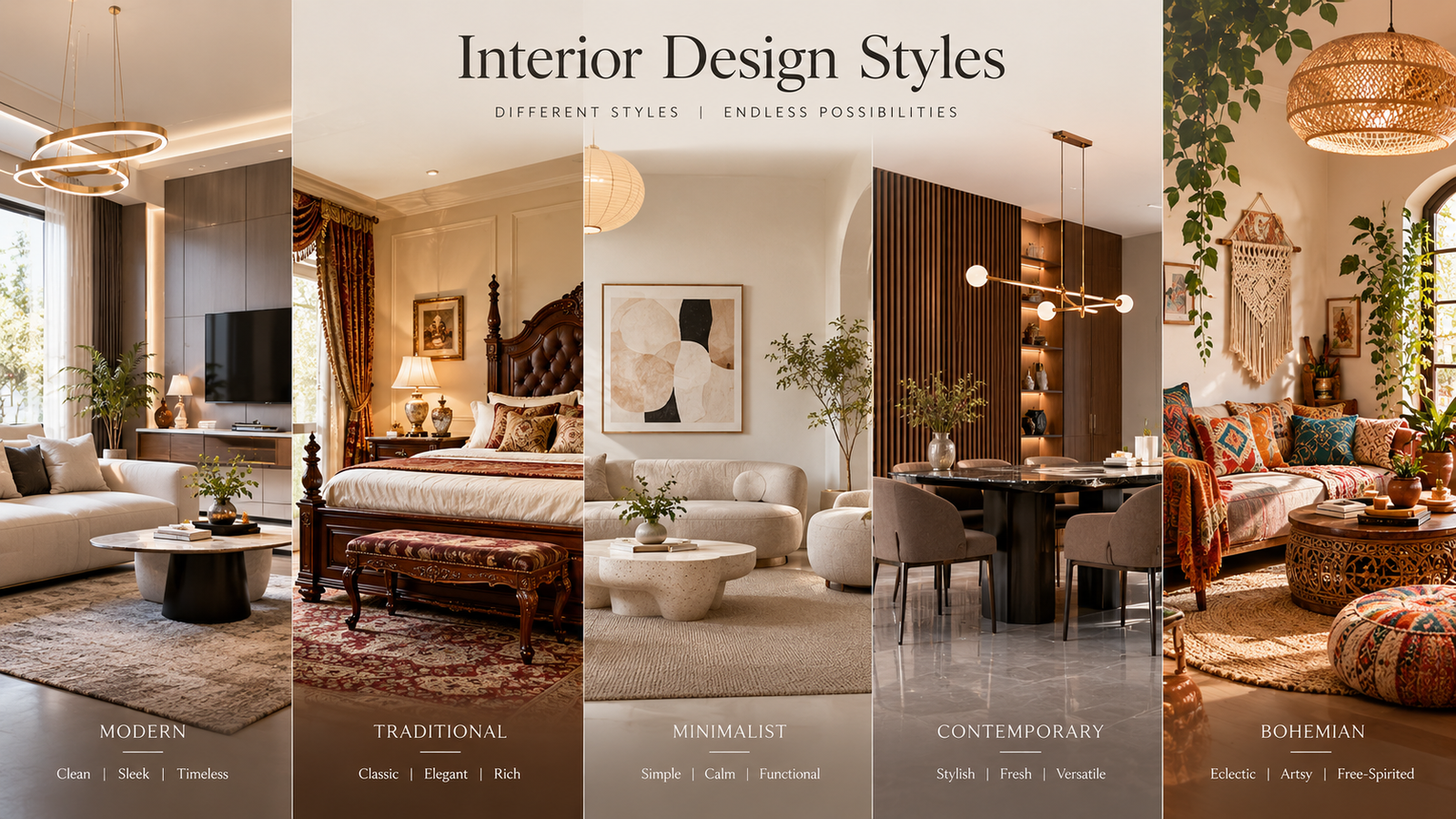
Choosing the right interior design styles can completely change the way your home looks, feels and functions. Your choice of colours, furniture, materials, lighting and décor all work together to create a particular atmosphere. Some homeowners prefer clean and simple spaces, while others enjoy luxurious details, traditional craftsmanship or a combination of different influences.
With so many options available, choosing one style can sometimes feel confusing. The good news is that you do not always have to follow one style strictly. Understanding the characteristics of different interior design styles can help you identify what suits your personality, lifestyle, space and budget.
This guide explores five popular styles in detail and explains how to choose the right direction for your home.
What Are Interior Design Styles?
Interior design styles are recognizable approaches to decorating and designing an interior space. Each style has its own visual language based on elements such as furniture, colours, materials, patterns, lighting and decorative objects.
For example, modern interiors often emphasize clean lines and functionality, while minimalist interiors focus on simplicity and avoiding unnecessary elements. Luxury interiors generally use refined materials, sophisticated lighting and carefully selected statement pieces.
Contemporary design is more flexible because it changes with current design preferences. Traditional Indian interiors, meanwhile, can bring regional craftsmanship, warm colours, natural materials and cultural elements into the home.
Architectural Digest’s overview of popular design styles shows how widely interior aesthetics can vary, from minimalism and contemporary design to traditional, Scandinavian and other styles.
The important thing is that a style should not simply make a room look attractive. It should also work with how you actually live in the space.
How to Choose the Right Interior Design Style for Your Home
Before choosing from different interior design styles, think about your lifestyle rather than choosing a look simply because it is trending.
Consider Your Lifestyle
Your home should support your everyday routine.
If you prefer an uncluttered environment and want furniture that serves a clear purpose, minimalist or modern design may suit you. If you enjoy decorative details, rich materials and statement furniture, luxury or traditional design could be more appropriate.
Think About Your Space
The size and layout of your home can influence your choice.
A smaller apartment may benefit from simple furniture, lighter colours and efficient storage. A larger home can accommodate larger furniture, layered lighting and more decorative elements.
However, there is no strict rule that says a particular style can only be used in a particular type of home. Good planning can adapt almost any aesthetic to the available space.
Choose a Colour Direction
Colour has a major impact on the character of an interior.
Neutral colours such as white, beige, grey and earthy tones can create a calm foundation. Deeper colours, metallic accents or colourful textiles can add personality and visual interest.
Rather than choosing every colour separately, create a basic palette and repeat selected colours throughout the home.
Consider Your Budget
Your preferred style should also be realistic for your budget.
You do not need expensive materials everywhere to create a sophisticated interior. Instead, focus your budget on elements that have the biggest visual and functional impact, such as flooring, lighting, furniture or a key feature wall.
Focus on Long-Term Comfort
A beautiful room is not successful if it becomes uncomfortable to use.
Think about storage, movement, maintenance, furniture comfort and lighting before finalizing your design. Your home should look good while still being practical for everyday life.
5 Popular Interior Design Styles for Your Home
There are many interior design styles to explore, but the following five are especially useful starting points for homeowners.
1. Modern Interior Design
Modern interior design is known for clean lines, functional furniture, balanced colours and a relatively uncluttered appearance. It often combines practical layouts with materials such as wood, glass, metal and stone.
This style can work particularly well for homeowners who want their interiors to feel organized, sophisticated and easy to maintain.
If you want to explore this style in greater detail, read our complete guide to Modern Interior Design.
2. Minimalist Interior Design
Minimalist interior design follows the principle of keeping what is useful and meaningful while avoiding unnecessary visual clutter.
Simple forms, neutral colours, limited furniture, natural light and smart storage are common characteristics. However, minimalism does not necessarily mean creating an empty or boring room. The goal is to make every element purposeful.
Architectural Digest describes minimalist interiors through characteristics such as clean lines, limited ornamentation, neutral palettes, natural materials and functional storage.
For a deeper look at this approach, explore our guide to Minimalist Interior Design.
3. Luxury Interior Design
Luxury interior design focuses on creating a refined and comfortable environment through quality materials, sophisticated colours, statement furniture, layered lighting and carefully selected décor.
Luxury does not necessarily mean filling a room with expensive objects. Good luxury design is often about proportion, craftsmanship, texture and creating a sense of visual harmony.
A luxury home can therefore be elegant without becoming excessive.
You can learn more about creating this type of space in our detailed guide to Luxury Interior Design.
4. Contemporary Interior Design
Contemporary interior design is different from modern design because contemporary design is more fluid and reflects current design preferences.
It may combine clean lines with natural materials, interesting textures, statement artwork and carefully selected furniture. Because it evolves over time, contemporary interiors can look different from one home to another.
Architectural Digest describes contemporary design as flexible and trend-forward, often combining different influences rather than following one rigid visual formula.
If you like a fresh and adaptable aesthetic, read our detailed guide to Contemporary Interior Design.
5. Traditional Indian Interior Design
Traditional Indian interior design brings warmth, craftsmanship and cultural character into the home.
Wooden furniture, handcrafted details, brass accents, traditional textiles, earthy colours and regional patterns can all contribute to this style. It can also be adapted to modern homes rather than making the entire space look historically themed.
This makes traditional Indian design particularly interesting for homeowners who want their interiors to reflect Indian culture while maintaining modern comfort.
For more ideas, explore our complete guide to Traditional Indian Interior Design.
Modern vs Minimalist vs Contemporary vs Luxury vs Traditional
Understanding the differences between interior design styles can make the decision easier.
| Style | Main Focus | Typical Feel |
|---|---|---|
| Modern | Clean lines and functionality | Organized and sophisticated |
| Minimalist | Simplicity and purpose | Calm and uncluttered |
| Luxury | Quality, comfort and refinement | Elegant and premium |
| Contemporary | Current trends and flexibility | Fresh and adaptable |
| Traditional Indian | Craftsmanship and cultural elements | Warm and characterful |
These categories are useful guides rather than strict rules. A home can successfully combine elements from more than one design direction.
How to Mix Different Interior Design Styles
You do not have to choose only one of the interior design styles discussed above.
In fact, carefully combining styles can create a home that feels more personal.
Modern + Minimalist
Modern and minimalist design naturally work well together. Use clean-lined furniture, a neutral colour palette and limited décor, while keeping enough warmth through wood, textiles or plants.
Contemporary + Luxury
Contemporary design can be combined with luxury through premium-looking materials, sophisticated lighting, statement furniture and carefully selected decorative pieces.
The key is restraint. Adding too many expensive-looking elements can make the room feel visually heavy.
Traditional + Modern
A modern home can incorporate traditional Indian elements without becoming completely traditional.
For example, you could combine a contemporary sofa with a carved wooden console, brass lighting, Indian artwork or handcrafted textiles. This creates a connection between heritage and modern living.
Interior Design Styles for Different Rooms
The best approach may also vary from room to room.
Living Room
The living room is usually the main area where your chosen style becomes visible.
Modern and contemporary furniture can create a clean appearance, while traditional Indian furniture and textiles can add warmth. Luxury elements such as layered lighting or a statement centre table can make the room feel more refined.
Bedroom
Bedrooms should prioritize comfort and relaxation.
Minimalist design can help create a calm environment, while luxury interiors can introduce soft textiles, warm lighting and comfortable furniture. Traditional Indian elements can add personality through textiles, woodwork and artwork.
Kitchen
Functionality should be especially important in the kitchen.
Modern and contemporary approaches work well because they can prioritize storage, efficient layouts and clean surfaces. Traditional materials or decorative elements can then be introduced through cabinets, tiles, hardware or accessories.
Dining Area
The dining area provides an opportunity to create a strong focal point.
A statement dining table, pendant lighting, artwork or traditional furniture can establish the character of the room without requiring excessive decoration.
How to Create a Consistent Interior Throughout Your Home
When exploring different interior design styles, consistency is important.
You do not necessarily need the same furniture or colours in every room. Instead, repeat certain design elements throughout the home.
For example, you could use the same wood tone across multiple rooms, repeat a particular accent colour, or use similar metal finishes for lighting and hardware.
This creates visual continuity while still allowing individual rooms to have their own personality.
Common Mistakes When Choosing Interior Design Styles
Following Trends Too Closely
Trends can provide inspiration, but your entire home should not depend on something that may look outdated in a few years.
Choosing Looks Over Function
A room should be comfortable and practical before it becomes purely decorative.
Mixing Too Many Styles
Combining styles can work beautifully, but too many unrelated influences can make a space feel chaotic.
Ignoring Scale and Proportion
Furniture should match the size of the room. Oversized furniture can make a small room feel cramped, while very small furniture can make a large room feel disconnected.
Forgetting Lighting
Lighting can change how colours, textures and furniture appear. Use a combination of ambient, task and accent lighting where appropriate.
ArchDaily’s discussion of interior aesthetics also emphasizes principles such as balance, rhythm, unity, proportion and emphasis when creating a cohesive space.
Can You Combine Different Interior Design Styles?
Yes. Combining interior design styles can actually make a home feel more personal.
The key is to establish one dominant style and use another style as an accent.
For example, a predominantly modern home could include traditional Indian artwork and handcrafted furniture. Similarly, a minimalist home could incorporate a luxury light fixture or a single statement piece.
Instead of trying to make every room look completely different, maintain a common colour palette, material or design element throughout the home.
How to Choose the Best Style for Your Home
If you are still unsure which of the interior design styles is right for you, start by identifying the feeling you want your home to have.
- Want clean and organized? Consider modern.
- Want calm and uncluttered? Consider minimalist.
- Want elegant and refined? Consider luxury.
- Want fresh and adaptable? Consider contemporary.
- Want warmth and cultural character? Consider traditional Indian.
You can then take inspiration from your favourite rooms and identify the elements that appear repeatedly.
Most importantly, do not choose a style simply because it looks good in someone else’s home. Your space should reflect your lifestyle, practical needs and personal taste.
Frequently Asked Questions
1. What are the most popular interior design styles?
Some popular interior design styles include modern, minimalist, contemporary, luxury, traditional, Scandinavian, industrial, coastal and eclectic design. The best option depends on your lifestyle, space, budget and personal preferences.
2. Can I mix two different interior design styles?
Yes. Mixing two styles can create a more personalized home. The easiest approach is to choose one dominant style and use elements from another style as accents. Keeping colours, materials or proportions consistent can help the combination feel intentional.
3. Which interior design style is best for a small home?
Modern and minimalist approaches can work particularly well in small homes because they emphasize functionality, simple layouts, efficient storage and reduced visual clutter. However, almost any style can work when furniture and space are planned carefully.
4. How do I choose an interior design style for my home?
Start by considering your lifestyle, preferred colours, furniture preferences, budget and the size of your home. Look at different styles and identify the elements you naturally prefer. You can then create a design direction that combines those preferences in a practical way.
Conclusion
Choosing between different interior design styles does not have to be complicated. Modern, minimalist, luxury, contemporary and traditional Indian design each offer different ways to create a beautiful and functional home. The best choice is the one that matches your lifestyle, space, comfort requirements and personal taste.
You also do not have to follow one style perfectly. By understanding the characteristics of different interior design styles, you can combine elements thoughtfully and create a home that feels both visually appealing and genuinely yours.