
Introduction
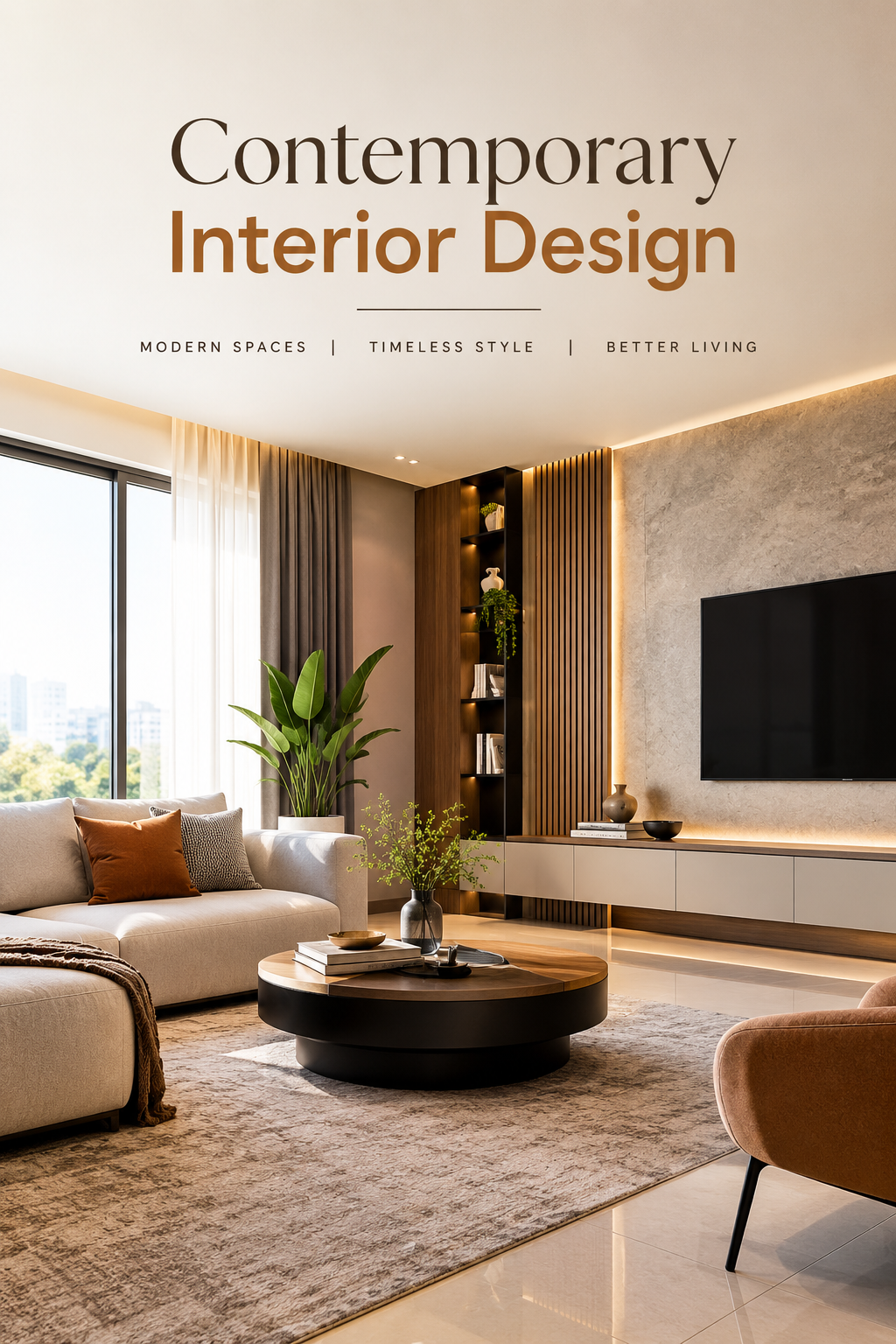
Contemporary interior design is a flexible approach to decorating a home that focuses on current aesthetics, comfort and functionality. It combines clean lines, balanced colours, practical furniture, natural materials, layered textures and carefully selected décor to create spaces that feel stylish without becoming excessive.
Unlike modern interior design, which is connected to a particular historical design movement, contemporary design continues to evolve. It can combine different influences while maintaining a clean and cohesive appearance. According to Architectural Digest’s guide to contemporary interior design, contemporary interiors are flexible, forward-looking and can incorporate different design influences.
The goal is not to use every new trend. Instead, contemporary interior design should create a home that looks current while remaining comfortable and practical for everyday life.
What Is Contemporary Interior Design?
Contemporary interior design refers to an interior style that reflects what is current at a particular time. Because design preferences continue to change, contemporary interiors do not follow one fixed set of rules.
Some of the most common characteristics include:
- Clean lines
- Neutral colours
- Functional furniture
- Open layouts
- Natural materials
- Layered textures
- Statement lighting
- Minimal but meaningful décor
- A balance between form and function
One of the most useful things about contemporary design is its flexibility. You can combine streamlined furniture with natural wood, modern artwork, textured fabrics or even carefully selected traditional pieces.
This allows homeowners to create a space that feels current without looking identical to every other modern home.
7 Key Elements of Contemporary Interior Design
1. Use Clean Lines and Simple Forms
Clean lines are one of the easiest ways to establish a contemporary look.
Choose furniture with simple silhouettes rather than pieces with excessive ornamentation. Straight-edged sofas, streamlined cabinets, simple dining tables and uncluttered storage can make a room feel organised and spacious.
However, clean design does not mean that the room needs to look empty.
You can introduce personality through artwork, plants, textured fabrics and one or two statement pieces while keeping the overall layout visually balanced.
2. Choose a Neutral Colour Palette
Neutral colours provide a strong foundation for contemporary interior design.
Popular options include:
- White
- Beige
- Cream
- Grey
- Taupe
- Brown
- Black
You can then introduce stronger colours through artwork, cushions, rugs, accent chairs or decorative objects.
ArchDaily’s overview of contemporary interior elements notes the frequent use of neutral colours such as white, black, grey and beige, often balanced with carefully selected accents.
For example, a beige living room could include a deep green chair, black lighting fixture and colourful artwork.
The result is more visually interesting without making the room feel chaotic.
3. Combine Different Materials and Textures
Using only one material throughout a room can make the space feel flat.
Instead, combine materials such as:
- Natural wood
- Glass
- Metal
- Marble
- Stone
- Leather
- Linen
- Cotton
- Jute
For example, a wooden TV unit can be combined with a stone wall, soft fabric sofa and metal lighting.
The contrast between hard and soft surfaces creates depth and prevents a neutral room from becoming boring.
Natural materials can also make contemporary interiors feel warmer and more comfortable.
4. Use Statement Lighting
Lighting is much more than a practical necessity in contemporary interiors. It can also become one of the main design features of a room.
A sculptural pendant above a dining table, a statement chandelier in the living room or carefully positioned accent lighting can create a strong focal point.
ArchDaily’s article on contemporary interior elements highlights statement lighting as an important feature of contemporary spaces, particularly because uncluttered rooms allow distinctive lighting fixtures to stand out.
Lighting also influences how people perceive colours, textures and proportions. ArchDaily’s guide to artificial lighting in interior design explains how lighting can enhance colours, textures, volumes and the overall atmosphere of a space.
For a more comfortable result, combine different lighting layers instead of depending on one ceiling light.
5. Choose Stylish and Functional Furniture
Furniture should look attractive while also serving a practical purpose.
Before choosing furniture, consider:
- Room size
- Available walking space
- Storage requirements
- Number of users
- Comfort
- Maintenance
- Overall proportions
For example, a large sectional sofa might look impressive in a showroom but could make a small living room difficult to move around in.
Choose furniture according to how the room will actually be used.
This creates a contemporary home that looks polished without sacrificing everyday comfort.
6. Add Artwork and Meaningful Décor
Contemporary interiors do not need dozens of decorative objects.
Instead, choose a few pieces that have visual or personal importance.
A large artwork above a sofa, an interesting mirror, a sculptural vase or a statement rug can provide enough character for an entire room.
You can also include personal objects such as photographs, books, handmade décor or travel souvenirs.
This makes the space feel like a real home rather than a showroom.
7. Create an Open and Flexible Layout
An open and flexible layout can make a home feel larger and easier to use.
Instead of placing furniture randomly, think about how different areas connect.
For example:
- A rug can define a living area.
- A pendant light can highlight a dining space.
- A sofa can separate the living room from another zone.
- Open shelving can provide subtle separation.
- Consistent colours can connect different rooms.
This approach works particularly well in apartments and smaller homes where every area needs to serve a purpose.
Contemporary Interior Design Ideas for Different Rooms
Contemporary Living Room
A contemporary living room can start with a neutral colour scheme and streamlined furniture.
Choose a comfortable sofa, simple coffee table and practical storage. Then introduce character with artwork, plants, textured cushions, a rug and statement lighting.
Avoid filling every wall and surface with decorative objects. Leaving some visual space can make the room feel more refined.
If you prefer an even simpler aesthetic, explore our guide to Minimalist Interior Design.
Contemporary Bedroom
A contemporary bedroom should feel calm and comfortable rather than overly decorative.
Use neutral wall colours, a simple bed design and soft bedding. Add warmth through wooden furniture, curtains, rugs and textured fabrics.
Bedside lighting is another opportunity to introduce contemporary style without adding unnecessary decoration.
Keep storage organised so that everyday items do not make the room feel cluttered.
Contemporary Kitchen
A contemporary kitchen should combine clean aesthetics with practical functionality.
Simple cabinets, streamlined handles, stone countertops and integrated storage can help maintain a neat appearance.
You can combine materials to create contrast. For example, light-coloured cabinets can be paired with a wooden breakfast counter or darker stone surface.
Good storage is particularly important because visible clutter can quickly reduce the clean appearance of a contemporary kitchen.
Contemporary Dining Area
The dining area is an excellent place to introduce a statement element.
A simple dining table can be combined with comfortable chairs and a distinctive pendant light.
Artwork, a mirror or a textured wall can provide additional visual interest.
Make sure there is enough space around the dining table for comfortable movement.
How to Make Contemporary Interior Design Feel Warm
One challenge with contemporary interiors is that too many hard surfaces and neutral colours can sometimes make a room feel cold.
You can solve this by introducing warmth through materials, lighting and texture.
Add Natural Wood
Wooden flooring, furniture, wall panels or decorative elements can soften a contemporary room.
Use Soft Textiles
Rugs, curtains, cushions and upholstered furniture can make the space feel more comfortable.
Choose Warm Lighting
Warm lighting can create a more welcoming atmosphere, particularly in bedrooms and living rooms.
Indirect lighting can be especially useful. ArchDaily’s article on indirect lighting in interiors explains how indirect lighting can create a softer, more evenly distributed glow while highlighting architectural features.
Add Plants
Indoor plants introduce natural colour and texture while making neutral interiors feel more lively.
Display Personal Artwork
Artwork can prevent a contemporary room from feeling generic.
Choose pieces that reflect your personality rather than selecting artwork simply because it is currently popular.
Contemporary Interior Design vs Modern Interior Design
Modern and contemporary interior design are often used interchangeably, but they are not exactly the same.
Modern interior design is associated with established historical design movements, while contemporary interior design reflects current preferences and continues to evolve.
Architectural Digest’s explanation of contemporary interior design also distinguishes contemporary design from modern design by explaining that contemporary interiors are more fluid and adaptable.
| Modern Interior Design | Contemporary Interior Design |
|---|---|
| Connected to a specific design movement | Continuously evolving |
| Historically rooted | Focused on current aesthetics |
| Follows established principles | More flexible |
| Clean and functional | Clean but more adaptable |
| More predictable characteristics | Can combine different influences |
For a deeper explanation of the modern approach, read our guide to Modern Interior Design.
Common Contemporary Interior Design Mistakes to Avoid
Using Too Many Trends
Contemporary does not mean using every trend you see online.
Choose trends that suit your home’s architecture and your lifestyle.
Making the Room Too Cold
Too much grey, glass and metal can make a room feel uncomfortable.
Balance these materials with wood, fabrics, plants and warm lighting.
Adding Too Much Décor
A contemporary home benefits from visual simplicity.
Choose fewer but better decorative pieces.
Ignoring Comfort
Furniture should be comfortable as well as attractive.
A beautiful sofa that is uncomfortable will not improve your everyday experience.
Using Too Many Colours
Choose a controlled colour palette and introduce stronger colours through selected accents.
Choosing Appearance Over Function
Storage, movement and everyday usability should always be considered before appearance.
How to Create Contemporary Interior Design on a Budget
You do not need to completely renovate your home to create a contemporary appearance.
Upgrade the Lighting
Replacing outdated light fixtures can immediately change the appearance of a room.
Refresh the Colour Scheme
A fresh neutral colour palette can make a space feel cleaner and more sophisticated.
Add One Statement Piece
Instead of buying several decorative objects, choose one strong element such as artwork, a mirror, chair or lighting fixture.
Declutter
Removing unnecessary objects is one of the simplest ways to create a contemporary appearance.
Introduce New Textures
A new rug, curtains, cushions or upholstered furniture can make a noticeable difference.
Add Greenery
Plants can bring natural colour and texture into a neutral room without requiring major changes.
Update Small Details
Changing cabinet handles, light fixtures, curtains or hardware can refresh a room without requiring a major renovation.
Frequently Asked Questions
What is contemporary interior design?
Contemporary interior design is a flexible style that reflects current design preferences. It commonly uses clean lines, neutral colours, functional furniture, natural materials, layered textures and carefully selected décor.
What colours work best for contemporary interiors?
Neutral colours such as white, beige, cream, grey, taupe and black work well as a base. Stronger colours can then be introduced through artwork, furniture, rugs and accessories.
What is the difference between modern and contemporary interior design?
Modern interior design is associated with established historical design movements, while contemporary interior design focuses on current aesthetics and continues to change over time. Architectural Digest explains the distinction between modern and contemporary design here.
Conclusion
A successful contemporary interior design approach is not about filling your home with the latest trends. It is about creating a balanced environment where style, comfort and functionality work together.
Clean lines, neutral colours, natural materials, layered textures, practical furniture and thoughtful lighting can help create a home that feels current without becoming excessive.
Whether you are updating one room or planning the interior of an entire home, start with your lifestyle and the function of the space. Then choose colours, furniture and materials that support those needs.
For more ideas, explore our complete Interior Design Styles guide and compare contemporary design with other approaches such as Luxury Interior Design.
With thoughtful planning and the right balance of materials, lighting and décor, contemporary interior design can create a home that feels stylish, comfortable and practical for years to come.