
Luxury Interior Design: 7 Stunning Home Ideas
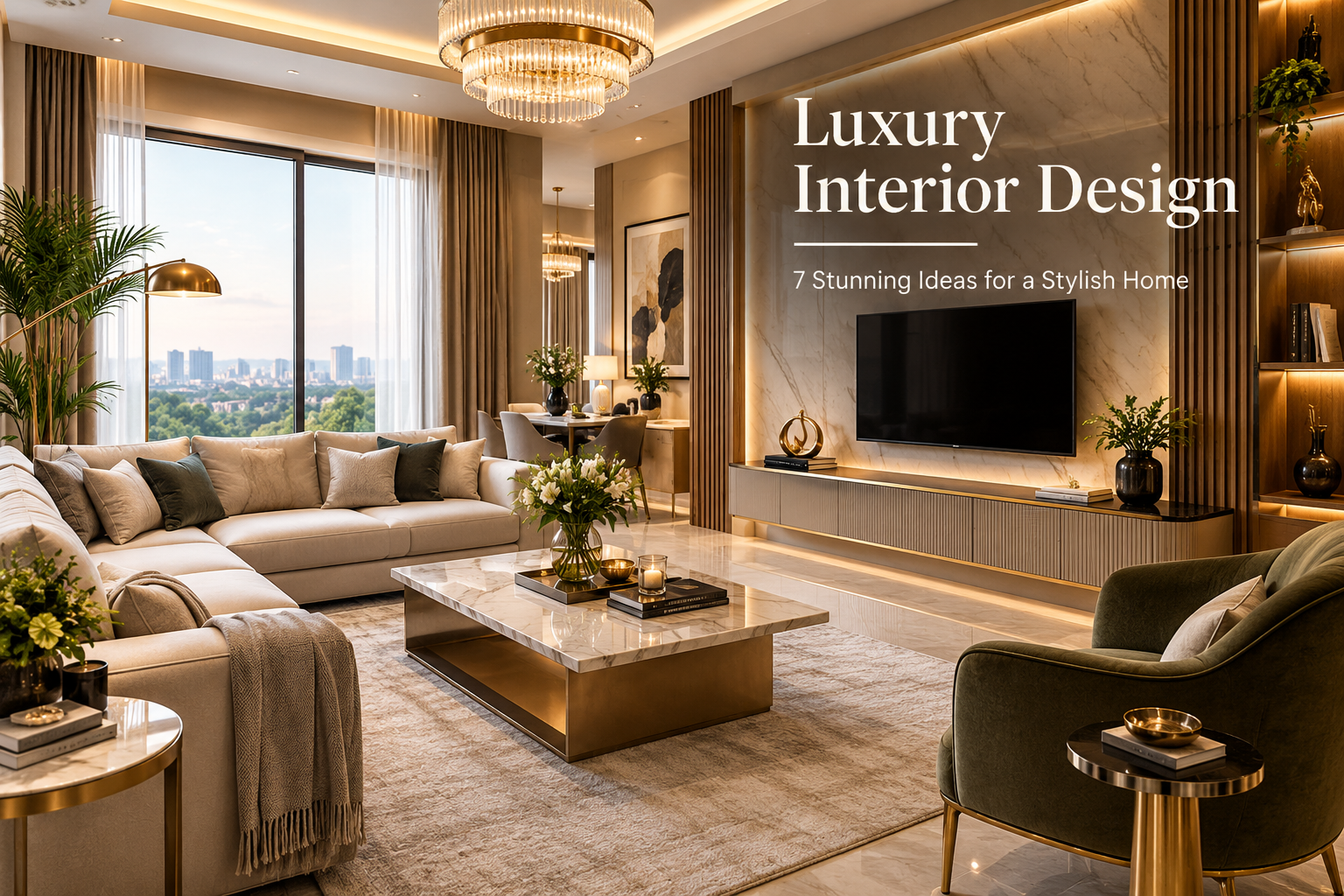
Luxury interior design is about creating a home that feels elegant, comfortable, refined, and thoughtfully planned. It is not simply about buying expensive furniture or filling a room with decorative items. True luxury comes from a combination of quality materials, balanced colours, beautiful lighting, comfortable furniture, and attention to detail.
A luxurious home should also be practical for everyday living. The best interiors combine sophisticated design with functionality so that the space looks impressive while remaining comfortable and easy to use.
Whether you are designing a new house, renovating an apartment, or upgrading a single room, understanding luxury interior design can help you make better decisions about furniture, materials, colours, lighting, and décor.
This guide explores seven practical ideas that can help you create a stylish and luxurious home.
What Is Luxury Interior Design?
Luxury interior design is an approach that focuses on elegance, quality, comfort, craftsmanship, proportion, and carefully selected details.
Luxury does not necessarily mean that every item in a room must be expensive. Instead, the overall space should feel intentional, coordinated, and well designed.
Some common characteristics of luxury interiors include:
- High-quality materials
- Elegant furniture
- Balanced colour palettes
- Layered lighting
- Rich textures
- Statement pieces
- Practical storage
- Attention to proportion
- Carefully selected accessories
A luxurious interior should feel cohesive rather than overloaded with expensive-looking elements.
For example, a room with a comfortable sofa, beautiful lighting, natural stone, quality curtains, and a few carefully selected accessories can feel more luxurious than a room filled with expensive objects that do not work together.
If you want to explore different decorating approaches, visit our Interior Design Styles guide.
7 Key Elements of Luxury Interior Design
1. Choose High-Quality Materials
Materials have a major influence on how luxurious a room feels.
Popular choices include:
- Marble
- Natural stone
- Hardwood
- Quality wood
- Glass
- Metal
- Brass
- Velvet
- Linen
- Premium upholstery
You do not need to use expensive materials throughout the entire home.
Instead, choose specific areas where a quality material can become a focal point.
For example, marble can be used for a kitchen island or bathroom vanity, while natural wood can be introduced through flooring, furniture, cabinets, or wall panels.
The most important thing is to make sure the materials complement one another.
2. Use a Sophisticated Colour Palette
Colour can immediately change the character of a room.
Luxury interiors often use balanced colour combinations instead of too many bright or contrasting shades.
Popular combinations include:
- Cream and gold
- Beige and brown
- White and black
- Grey and charcoal
- Deep green and neutral tones
- Navy and cream
- Warm white and natural wood
Metallic accents such as brass, bronze, or muted gold can also add sophistication.
However, metallic details should be used carefully. Too much gold or shiny material can make a room feel excessive rather than elegant.
A restrained colour palette often creates a more timeless appearance.
3. Invest in Statement Furniture
Furniture can become one of the strongest visual elements in a luxury interior.
Instead of filling the room with many pieces, choose furniture with good proportions, quality materials, and comfortable construction.
For example, a living room could feature:
- A large upholstered sofa
- A sculptural coffee table
- Elegant lounge chairs
- A refined TV unit
- A statement side table
The furniture should be appropriately sized for the room.
Oversized furniture can make a space feel crowded, while furniture that is too small can make a large room feel unfinished.
Good luxury interior design pays close attention to scale and proportion.
4. Create Layered Lighting
Lighting is one of the most important elements of a luxurious interior.
A single ceiling light rarely creates enough depth.
Instead, use multiple layers of lighting, such as:
- Ambient lighting
- Pendant lights
- Chandeliers
- Wall lights
- Floor lamps
- Table lamps
- Cove lighting
- Accent lighting
- Under-cabinet lighting
Layered lighting can highlight architectural features, artwork, furniture, and materials.
According to ArchDaily’s guide to artificial lighting in interior design, lighting can influence how people perceive volumes, colours, textures, proportions, and contrasts within a space.
This makes lighting particularly important in luxury interiors.
A chandelier can become a focal point in a dining room, while concealed lighting can create a soft atmosphere in a bedroom.
5. Add Rich Textures
Texture is essential when creating a luxurious atmosphere.
A room can have a simple colour palette but still feel visually rich when different textures are combined.
Consider using:
- Velvet
- Linen
- Leather
- Wood
- Stone
- Glass
- Metal
- Wool
- Natural fabrics
For example, a beige sofa can be paired with textured cushions, a soft rug, a wooden coffee table, and a stone feature wall.
This combination creates depth without requiring excessive decoration.
The goal is to make the room interesting through quality and texture rather than unnecessary decoration.
6. Use Custom and Smart Storage
Luxury is not only about what is visible.
A well-designed home should also have practical storage that keeps everyday items organized.
Custom storage can be designed around the dimensions of your room and your specific needs.
Useful options include:
- Built-in wardrobes
- Custom TV units
- Walk-in closets
- Concealed cabinets
- Modular kitchen storage
- Hidden appliance storage
- Integrated shelving
When storage is properly planned, the room can remain visually clean even when the home is being used every day.
This is an important difference between a room that simply looks expensive and one that is genuinely well designed.
Modern luxury is increasingly focused on combining beauty with practical living. Architectural Digest’s discussion of livable luxury also highlights the importance of practical storage, efficient space planning, durable materials, and lighting that combines function with visual appeal.
7. Choose Décor With Intention
Accessories can complete a luxury interior, but they should be selected carefully.
Good options include:
- Large artwork
- Sculptures
- Decorative mirrors
- Elegant lighting
- Vases
- Indoor plants
- Decorative books
- Quality rugs
- Carefully selected photographs
Instead of placing many small accessories throughout the room, choose fewer pieces that create a stronger visual impact.
This creates a more refined and sophisticated appearance.
Every decorative item should contribute something to the overall design.
How to Use Luxury Interior Design in Different Rooms
Luxury interior design can be adapted to almost every area of your home.
However, each room should have its own balance of beauty, comfort, and functionality.
Luxury Living Room
The living room is often the main area where luxury design becomes visible.
Start with a comfortable sofa made from quality upholstery.
Then introduce a statement coffee table, elegant lighting, a large rug, and carefully selected artwork.
A combination of warm neutral colours, wood, stone, and subtle metallic accents can create a sophisticated atmosphere.
Avoid placing too many decorative objects on every surface.
Instead, create a few strong focal points.
If you prefer a cleaner approach, you can also combine luxury principles with our Minimalist Interior Design guide.
Luxury Bedroom
A luxury bedroom should feel calm, comfortable, and private.
A large upholstered headboard can become a strong focal point.
Combine it with:
- High-quality bedding
- Soft curtains
- Bedside lighting
- Elegant bedside tables
- A comfortable rug
- Built-in wardrobes
Warm lighting is particularly important because the bedroom should feel relaxing rather than overly bright.
Soft fabrics and natural materials can make the space feel more comfortable.
Luxury Kitchen
A luxury kitchen should combine appearance with functionality.
Materials such as marble, natural stone, wood, glass, and quality metal finishes can create a premium appearance.
Consider features such as:
- Large kitchen islands
- Built-in appliances
- Custom cabinets
- Soft-close drawers
- Integrated lighting
- Organized storage
- Premium countertops
However, luxury should never come at the expense of usability.
A beautiful kitchen should still provide enough workspace, storage, and comfortable movement.
Luxury Bathroom
Bathrooms can become luxurious spaces with the right combination of materials and lighting.
Popular features include:
- Large-format tiles
- Natural stone
- Floating vanities
- Frameless glass showers
- Backlit mirrors
- Designer-style fixtures
- Concealed storage
- Warm accent lighting
You do not need to add every feature.
Even a simple bathroom can feel luxurious when the materials, lighting, colours, and fixtures work together.
How to Make Luxury Interior Design Feel Comfortable
Luxury should never make your home feel like a hotel lobby.
Your home needs to remain comfortable and personal.
Choose Comfortable Furniture
A beautiful sofa is not enough.
It should also be comfortable for sitting, relaxing, talking, or watching television.
Choose furniture based on both appearance and everyday use.
Use Warm Lighting
Warm lighting can soften sophisticated materials and create a welcoming atmosphere.
Use multiple light sources rather than depending entirely on one bright fixture.
Indirect lighting can also create a softer atmosphere. ArchDaily explains how indirect lighting can highlight architectural features while creating a more comfortable visual environment.
Add Natural Elements
Plants, wood, stone, and natural fabrics can make luxurious interiors feel more relaxed.
A few natural elements can balance polished surfaces such as marble, glass, and metal.
Keep the Space Personal
Luxury does not mean removing your personality.
Family photographs, artwork, books, travel memories, and meaningful objects can make the space feel like your home.
A beautifully designed room should still tell something about the people who live there.
Common Luxury Interior Design Mistakes to Avoid
Luxury design can easily become excessive if every expensive-looking element is used at the same time.
Using Too Much Gold
Gold accents can look elegant when used carefully.
Too much gold can make the room appear overly decorative.
Use metallic finishes as accents rather than covering every surface.
Choosing Appearance Over Comfort
Luxury furniture should still be comfortable.
Do not choose furniture simply because it looks impressive.
Using Too Many Materials
Marble, wood, glass, metal, velvet, stone, and multiple patterns can become overwhelming when combined without planning.
Choose a few primary materials and repeat them throughout the room.
Overdecorating
Too many accessories can reduce the sense of sophistication.
Give important decorative pieces enough space to stand out.
Ignoring Proportion
A large chandelier in a very small room or a tiny coffee table in a huge living room can make the design feel unbalanced.
Always consider the size of the room before selecting major furniture and decorative elements.
Following Trends Too Closely
Luxury interiors should ideally remain attractive for years.
Choose timeless materials and furniture rather than filling the room with short-lived trends.
Luxury vs Modern Interior Design
Luxury and modern interior design are not necessarily separate styles.
Modern design focuses heavily on clean lines, functionality, simple forms, and an uncluttered appearance.
Luxury design places greater emphasis on quality, craftsmanship, comfort, premium materials, sophisticated details, and a refined atmosphere.
The two can easily be combined.
For example, a modern home can use clean-lined furniture and an open layout while introducing marble, wood, premium upholstery, warm lighting, and carefully selected artwork.
You can learn more about this combination in our Modern Interior Design guide.
How to Create a Luxury Look on a Budget
You do not need to completely renovate your home to make it feel more luxurious.
Improve the Lighting
Replacing outdated lighting with elegant fixtures can immediately change the atmosphere.
Upgrade Textiles
Quality curtains, cushions, bedding, and rugs can make a noticeable difference.
Use One Statement Piece
Instead of buying many decorative objects, invest in one strong piece such as a large artwork, mirror, light fixture, or coffee table.
Improve Your Colour Palette
A coordinated neutral colour scheme can make a room look more refined.
Add Greenery
A well-positioned indoor plant can bring natural colour and texture into the room.
Declutter
A clean and organized room can look more luxurious even without expensive furniture.
Repeat Materials
Using the same wood tone, metal finish, or colour in several areas can create a more coordinated appearance.
Frequently Asked Questions About Luxury Interior Design
What are the main features of luxury interior design?
The main features include quality materials, elegant furniture, sophisticated colours, layered lighting, rich textures, practical storage, carefully selected décor, and attention to proportion and detail.
Does luxury interior design have to be expensive?
No.
While premium materials and custom furniture can increase the cost, a luxurious appearance can also be created through better lighting, coordinated colours, quality textiles, thoughtful furniture placement, and carefully selected statement pieces.
What colours are best for luxury interiors?
Neutral colours such as cream, beige, warm white, grey, brown, and charcoal work well.
Deep green, navy, burgundy, and subtle metallic accents can also add sophistication when used carefully.
How can I make a small home look luxurious?
Focus on proportion, lighting, organization, and quality rather than adding more furniture.
Use a coordinated colour palette, mirrors, layered lighting, smart storage, and a few high-impact decorative pieces.
What materials are commonly used in luxury interiors?
Common materials include natural stone, marble, wood, glass, metal, leather, velvet, linen, and other quality fabrics.
The best choice depends on the room, budget, maintenance requirements, and overall design direction towards luxury interior ideas.
Conclusion
Luxury interior design is not simply about filling a home with expensive furniture and decorative objects. It is about creating a carefully planned environment where quality, comfort, functionality, proportion, materials, lighting, and personal style work together.
Start with a clear colour palette, choose furniture that fits your space, introduce quality materials selectively, improve your lighting, and use décor with intention.
You do not need to transform your entire home at once. Even small improvements in lighting, furniture, textiles, storage, and accessories can make a noticeable difference.
The best luxury interior design creates a home that feels elegant and sophisticated while remaining comfortable, practical, and personal.