
Minimalist Interior Design: 7 Powerful Home Ideas
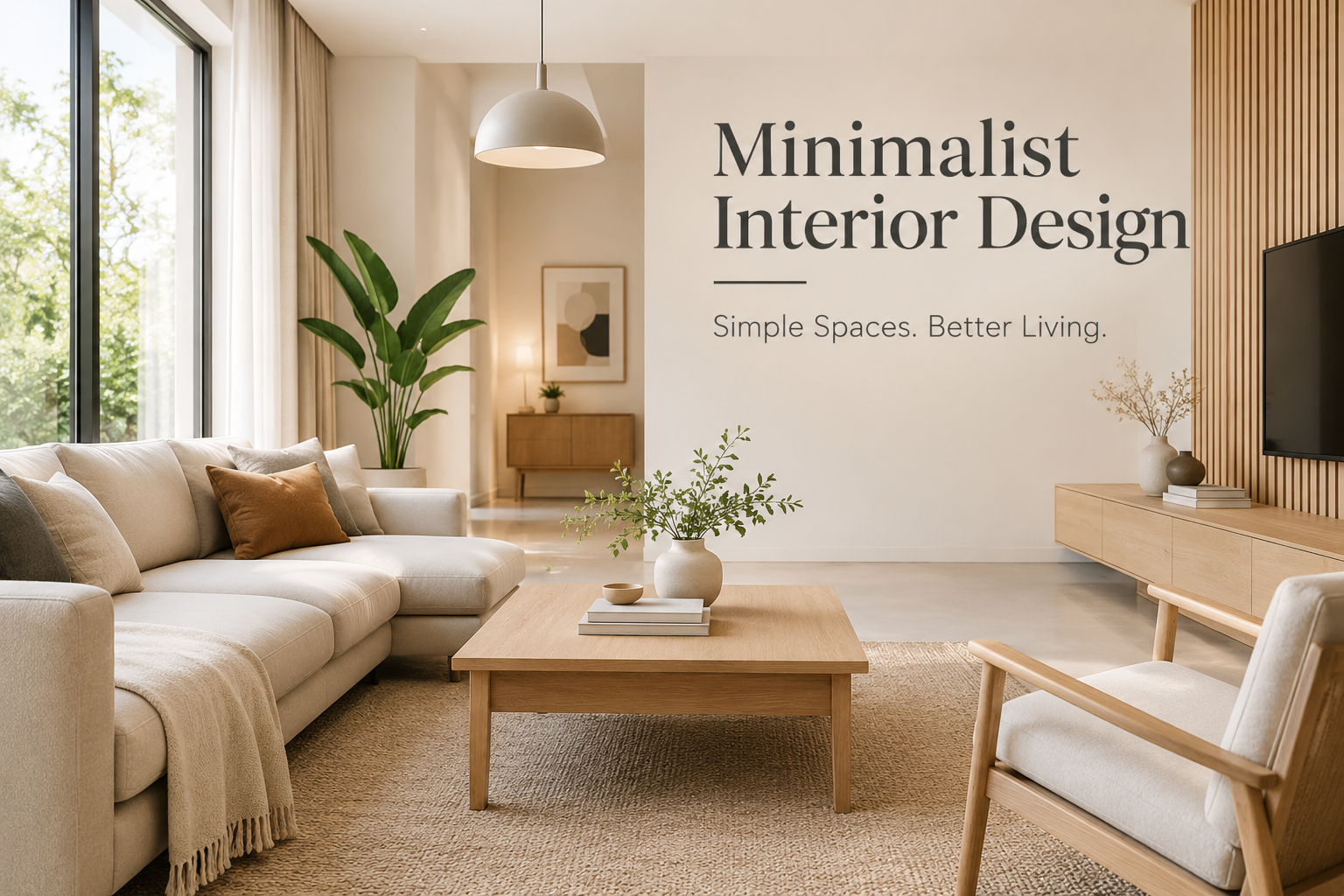
Minimalist interior design is about creating a home that feels calm, organized, comfortable, and functional without filling every room with unnecessary furniture or decoration. Instead of focusing on having more things, the style focuses on choosing the right things.
A well-designed minimalist home can feel spacious and welcoming while still reflecting your personality. Clean layouts, neutral colours, functional furniture, smart storage, natural materials, and thoughtful lighting all contribute to the overall look.
Whether you are decorating a new home or improving an existing one, understanding the principles of minimalist interior design can help you make better decisions about your space.
This guide explains seven practical ideas that you can use to create a beautiful and comfortable minimalist home.
What Is Minimalist Interior Design?
Minimalist interior design is a style that focuses on simplicity, functionality, open space, and intentional choices.
The idea is not to remove everything from a room. Instead, it is about keeping the elements that are useful, meaningful, or visually important.
A minimalist home commonly includes:
- Simple furniture
- Clean lines
- Neutral colours
- Open areas
- Functional storage
- Natural materials
- Limited decoration
- Good lighting
- Organized surfaces
Minimalist architecture and design often place emphasis on space, light, materials, and function rather than excessive ornamentation. Explore minimalist design principles on ArchDaily
The result can be a home that feels less crowded and easier to maintain.
However, minimalism does not mean your home has to be completely white or empty. You can use warm wood, textured fabrics, plants, artwork, and personal objects to make the space comfortable.
If you are exploring different styles, you can also connect this article to your main Interior Design Styles pillar page.
7 Key Elements of Minimalist Interior Design
1. Keep the Layout Simple
A simple layout is one of the most important parts of minimalist interior design.
Before adding furniture, think about how people will move around the room.
Keep important walking paths clear and avoid placing furniture simply because there is an empty corner.
For example, a living room may only need:
- A comfortable sofa
- A coffee table
- A TV unit
- One or two chairs
- Suitable lighting
- A small amount of décor
The goal is not to have the smallest possible amount of furniture.
The goal is to have the right furniture for the way you use the room.
A simple layout can also make a small home appear more spacious because there are fewer visual obstacles.
2. Choose a Neutral Colour Palette
Neutral colours are commonly associated with minimalist interiors because they create a calm and balanced foundation.
Popular choices include:
- White
- Cream
- Beige
- Soft grey
- Taupe
- Brown
- Light wood
You do not need to use just one colour.
Different shades and textures can create depth while maintaining a clean appearance.
For example, you could combine an off-white wall with a beige sofa, light wooden furniture, and warm grey cushions.
Small amounts of darker colours can also be introduced through artwork, plants, rugs, cushions, or furniture.
The important thing is to maintain balance.
3. Choose Functional Furniture
Furniture should have a clear purpose.
Before buying a new item, ask yourself:
Do I actually need it?
Will I use it regularly?
Does it fit the room?
Does it provide comfort or useful storage?
These questions can prevent unnecessary purchases.
Multi-purpose furniture can be particularly helpful in smaller homes.
Some useful examples include:
- Storage beds
- Ottoman storage
- Extendable dining tables
- Foldable desks
- Built-in wardrobes
- Wall-mounted cabinets
Good minimalist interior design does not sacrifice comfort for appearance.
Instead, it combines practical furniture with a clean visual style.
4. Use Natural Materials and Textures
A room can look too plain if every surface has the same colour and finish.
Natural materials can add depth without creating clutter.
Consider materials such as:
- Wood
- Stone
- Linen
- Cotton
- Rattan
- Ceramic
- Glass
- Metal
Wooden furniture can add warmth to a neutral room.
Linen curtains can add softness.
A textured rug can make a simple living room feel more comfortable.
Natural materials are especially useful when you want minimalist interior design to feel warm rather than cold.
5. Create Smart Storage
Storage is essential for maintaining a clean minimalist home.
Even a beautifully designed room can quickly look messy when everyday objects are left on tables, countertops, beds, and floors.
Instead, give frequently used items a dedicated place.
Useful storage solutions include:
- Built-in wardrobes
- Floating cabinets
- Closed shelves
- Storage beds
- TV units with drawers
- Kitchen organizers
- Entryway cabinets
Closed storage is particularly useful for items that you use regularly but do not necessarily want on display.
The less visual clutter you have, the easier it becomes to maintain a calm and organized room.
6. Make Good Use of Light
Lighting can completely change how a minimalist room feels.
Natural light can make a room look brighter and more spacious.
Where possible, avoid blocking windows with large pieces of furniture.
Light curtains can allow daylight into the room while still providing privacy.
For artificial lighting, use several sources instead of depending entirely on one ceiling light.
You can combine:
- Pendant lights
- Wall lights
- Floor lamps
- Table lamps
- Recessed lighting
- Under-cabinet lighting
Layered lighting allows you to create different moods throughout the day.
This is especially important in minimalist interior design because lighting can become part of the overall visual composition.
7. Choose Décor Carefully
Minimalist interior design does not mean removing every decorative object from your home.
Instead, it means being selective.
Rather than placing ten small objects on a shelf, choose one or two pieces that genuinely improve the space.
You could use:
- One large artwork
- An indoor plant
- A textured rug
- A statement light
- A sculptural vase
- A family photograph
- A meaningful decorative object
Every piece does not need to be expensive.
It simply needs to work with the rest of the room.
How to Use Minimalist Interior Design in Different Rooms
The principles of minimalist interior design can be used throughout your home.
However, each room has different functional requirements.
Minimalist Living Room
A minimalist living room should feel open, comfortable, and organized.
Start with a sofa that fits the room properly.
Add a simple coffee table, practical TV storage, suitable lighting, and a small amount of decoration.
A neutral palette combined with natural wood, plants, soft fabrics, and warm lighting can prevent the room from looking too plain.
Avoid placing too many small decorative objects around the room.
Instead, create one or two visual focal points.
If you also like clean lines and functional furniture, you can connect this page with your Modern Interior Design cluster page.
Minimalist Bedroom
A bedroom should feel peaceful and relaxing.
Start with the essentials:
- Comfortable bed
- Bedside tables
- Wardrobe
- Soft lighting
- Curtains
- Simple bedding
Avoid covering every surface with decorative objects.
A simple headboard, neutral bedding, warm lighting, and one carefully selected artwork can create a relaxing environment.
Built-in wardrobes can also provide useful storage while keeping the room visually clean.
The goal is to make the bedroom comfortable without making it feel crowded.
Minimalist Kitchen
A minimalist kitchen should prioritize organization and ease of use.
Simple cabinet fronts, clean countertops, organized drawers, and practical storage can create a streamlined appearance.
Try to keep frequently used appliances organized instead of leaving everything on the countertop.
Useful features can include:
- Built-in appliances
- Pull-out storage
- Drawer organizers
- Handleless cabinets
- Hidden pantry storage
You can combine wood, stone, glass, and metal to create visual interest without excessive decoration.
Minimalist Dining Area
A minimalist dining area does not need lots of decoration.
Choose a dining table that fits the available space and provides enough room for comfortable movement.
Simple dining chairs can be combined with a pendant light above the table.
If the area feels too plain, add a plant, artwork, or a small centerpiece.
Keep the dining table mostly clear when it is not being used.
This simple habit can make the entire area feel more organized.
How to Make Minimalist Interior Design Feel Warm
One common concern about minimalist homes is that they can sometimes look cold or impersonal.
The solution is not to add lots of decoration.
Instead, create warmth through materials, lighting, textures, plants, and personal details.
Add Warm Wood Tones
Wood can make a minimalist room feel immediately more welcoming.
You can introduce wood through:
- Flooring
- Coffee tables
- Cabinets
- Shelving
- Wall panels
- Dining tables
- Bed frames
Light and medium wood tones work particularly well with neutral colours.
Use Soft Textures
Texture prevents simple interiors from looking flat.
Try using:
- Linen curtains
- Cotton bedding
- Textured rugs
- Soft cushions
- Upholstered furniture
- Natural-fibre accessories
These additions provide comfort without creating visual clutter.
Use Warm Lighting
Warm lighting can make neutral colours feel much more inviting.
Use table lamps, floor lamps, pendant lights, and indirect lighting to create layers.
Instead of one very bright ceiling light, use several smaller light sources throughout the room.
Bring Nature Indoors
Plants can add colour and natural texture to a minimalist home.
One larger plant can work well in an empty corner.
Smaller plants can be placed on shelves, side tables, or window areas.
Natural materials and greenery can help balance the simplicity of minimalist interior design.
Keep Personal Items
Minimalism should not remove your personality from your home.
Keep photographs, books, artwork, travel memories, or objects that have genuine meaning to you.
The goal is not to create an empty showroom.
The goal is to create a home where the things you keep are useful, beautiful, or meaningful.
Common Minimalist Interior Design Mistakes to Avoid
Minimalism may look simple, but achieving it successfully requires planning.
Making the Room Completely Empty
An empty room is not automatically minimalist.
If you remove too much furniture, the room may become uncomfortable or impractical.
Remove unnecessary items rather than removing everything.
Using Too Much White
White can work beautifully in minimalist spaces, but you do not need to use it everywhere.
Too much white without texture can make a room feel flat.
Use beige, cream, grey, wood, earthy colours, and different textures to create depth.
Hiding Everything
Storage is important, but you do not have to hide every object.
Books, artwork, plants, and meaningful objects can remain visible.
The important thing is that the display feels intentional.
Buying Oversized Furniture
Large furniture can quickly overwhelm a minimalist room.
Always measure your room before buying furniture.
Consider the furniture’s:
- Width
- Height
- Depth
- Walking space
- Relationship with other furniture
Ignoring Comfort
A minimalist home should still be comfortable.
A beautiful chair is not useful if nobody wants to sit on it.
Choose furniture based on both appearance and everyday use.
Following Trends Too Closely
Minimalist interior design should support your lifestyle rather than copy a social-media trend.
Choose furniture and colours that you are likely to enjoy for years.
Minimalist vs Modern Interior Design
Minimalist and modern interior design share several characteristics, which is why they are often confused.
Modern interior design is generally associated with clean lines, simple forms, functionality, and materials connected with modernist design.
Minimalist interior design takes the idea of simplicity further by placing greater emphasis on reducing unnecessary elements.
For example, a modern living room might include several decorative objects, artwork, statement furniture, and multiple materials.
A minimalist living room may use fewer pieces and more open space.
However, the two styles can work very well together.
You can use modern furniture and architectural elements while applying minimalist principles to keep the overall room clean and organized.
7 Simple Ways to Create a Minimalist Home on a Budget
You do not need an expensive renovation to create a minimalist home.
1. Declutter First
Before buying anything new, remove things you no longer use.
2. Rearrange Existing Furniture
A better layout can completely change how a room feels.
3. Use a Consistent Colour Palette
Choose a few complementary colours rather than constantly adding new shades.
4. Improve Your Lighting
Changing lamps or adding warm accent lighting can have a significant visual impact.
5. Choose Multi-Purpose Furniture
Furniture with built-in storage or multiple functions can help you save space.
6. Add Natural Elements
Plants, wood, cotton, linen, and other natural materials can make a simple room feel more welcoming.
7. Buy Slowly
Do not try to finish an entire room in one shopping trip.
Live with the space first.
Then identify what it actually needs.
Frequently Asked Questions About Minimalist Interior Design
What are the main features of minimalist interior design?
The main features include simple layouts, neutral colours, functional furniture, open space, smart storage, natural materials, good lighting, clean lines, and carefully selected décor.
Is minimalist interior design suitable for small homes?
Yes.
Minimalist interior design can work particularly well in small homes because it focuses on practical furniture, organized storage, clear pathways, and reduced visual clutter.
However, minimalism should never mean sacrificing comfort.
Does minimalist interior design have to be white?
No.
White is popular, but minimalist homes can also use beige, cream, grey, brown, muted greens, earthy colours, and natural wood.
Is minimalist interior design expensive?
It does not have to be.
You can create a minimalist home by purchasing fewer but more useful pieces instead of filling the home with unnecessary furniture and decoration.
How can I make a minimalist home feel cozy?
Use warm lighting, natural wood, soft textiles, rugs, plants, comfortable furniture, and a few meaningful personal objects.
The combination of simplicity and texture can make a minimalist home feel elegant and comfortable.
Conclusion
Minimalist interior design is not about making your home empty or removing everything you own.
It is about creating a thoughtful environment where furniture, colours, materials, storage, lighting, and décor all have a clear purpose.
Start by removing unnecessary clutter, choosing functional furniture, creating smart storage, using a balanced colour palette, and introducing warmth through wood, textiles, plants, and lighting.
Whether you live in a compact apartment or a large family home, these principles can help you create a space that feels calm, organized, comfortable, and timeless.
The best minimalist home is not necessarily the one with the fewest things. It is the home where the things you keep have a purpose and contribute to the way you live.