
12 Smart Interior Design Ideas for Home: Create a Stylish Space
Designing a home is not simply about purchasing beautiful furniture or following the latest décor trend. The best interior design ideas for home combine appearance, comfort, functionality, and the way people actually use their space. Whether you are decorating a new apartment, renovating an existing house, or simply updating one room, thoughtful planning can make your home feel more organised and personal.
A successful interior begins with understanding your space. Room dimensions, natural light, furniture placement, storage, colours, materials, and lighting all influence the final result. Instead of copying a design from another home, you can use these interior design ideas for home to create a space that suits your lifestyle, budget, and everyday requirements.
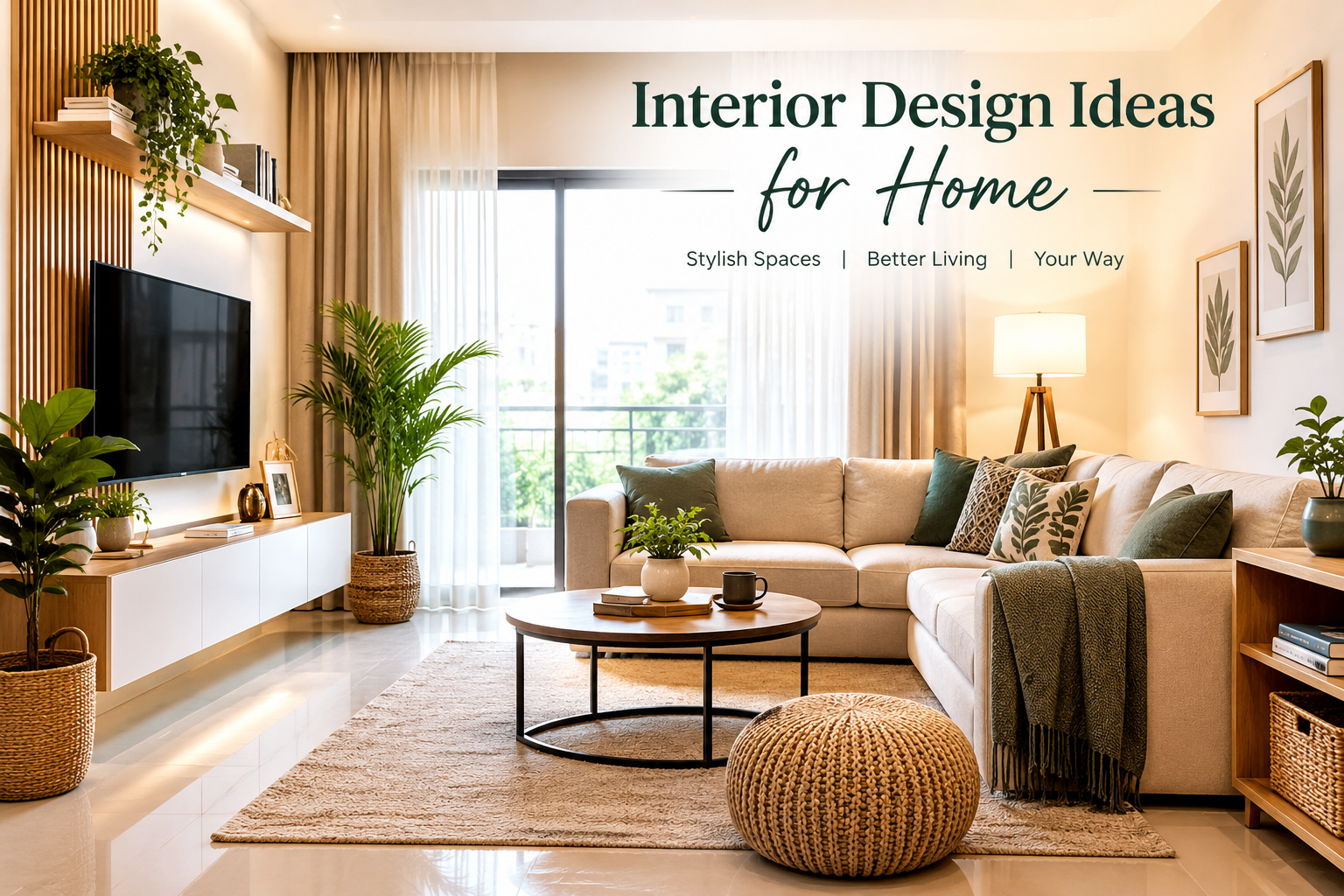
How to Choose the Right Interior Design for Your Home
Before selecting furniture, paint colours, or decorative accessories, start with the fundamentals. A good design should solve practical problems as well as create an attractive environment.
1. Understand Your Home’s Layout
Measure each room before making major design decisions. Note the position of:
- Doors
- Windows
- Electrical points
- Columns
- Built-in storage
- Plumbing points
- Main walking areas
This information helps you understand where furniture can realistically be placed.
For example, a narrow living room may require a different furniture arrangement from a large square living room. Similarly, a bedroom with limited wall space may benefit from a built-in wardrobe rather than several individual storage units.
2. Design Around Your Lifestyle
Your home should support your daily routine.
If you work from home, you may need a dedicated workspace. If you have children, durable finishes and accessible storage may be important. If you regularly entertain guests, your living and dining areas may need more flexible seating.
This is one of the most important interior design ideas for home because good design starts with the people who live there.
3. Select a Consistent Design Style
You can explore different styles before deciding what works for your home.
Some popular choices include:
- Modern
- Contemporary
- Minimalist
- Scandinavian-inspired
- Traditional
- Modern Indian
- Luxury-inspired
You do not have to follow one style completely. Combining compatible elements can make the space feel more personal. The key is maintaining consistency through colours, materials, furniture shapes, and proportions.
4. Plan Your Budget Before You Shop
Create separate budget categories for:
- Furniture
- Storage
- Lighting
- Flooring
- Wall finishes
- Kitchen
- Décor
- Installation and labour
A budget also helps you decide where to invest and where to save. For example, frequently used furniture may deserve more attention than purely decorative accessories.
Room-Wise Interior Design Ideas for Home
Different rooms have different functions, so the design should reflect how each space is used.
Living Room Interior Design
The living room is often the main social area of a home. Start with the furniture arrangement rather than decorative accessories.
Useful interior design ideas for home include:
- Positioning sofas to encourage conversation
- Creating a clear focal point
- Using a practical TV unit
- Adding layered lighting
- Using rugs to define seating areas
- Including concealed storage
- Keeping enough space for movement
Avoid pushing every piece of furniture against the wall simply because there is more open floor space in the centre. Sometimes creating a defined seating zone produces a more balanced arrangement.
[IMAGE 2 — ALT TEXT: “living room interior design ideas for home”]
Bedroom Interior Design
A bedroom should feel comfortable and uncluttered.
Consider:
- A suitable bed size
- Functional bedside storage
- A well-planned wardrobe
- Soft lighting
- Comfortable curtains
- Practical storage
- A calming colour palette
The bedroom should not be overloaded with decorative objects. A few carefully selected elements can create personality without affecting comfort.
Kitchen Interior Design
A kitchen needs particularly careful planning because several activities happen in the same space.
When developing interior design ideas for home, consider:
- Cabinet storage
- Countertop space
- Appliance placement
- Lighting
- Ventilation
- Easy-to-clean materials
- Movement between preparation and cooking areas
Common kitchen layouts include straight-line, L-shaped, U-shaped, parallel, and island kitchens.
Choose the layout according to the room rather than selecting a style simply because it is currently popular.
Dining Area Interior Design
The dining area should provide comfortable seating without obstructing movement.
A compact dining table may work better in a smaller home, while a larger room can accommodate a longer table or additional storage.
Pendant lighting above the table can create a focal point, while a sideboard can provide storage for dining essentials.
Home Office Interior Design
If you work from home, a dedicated workspace can improve organisation.
A practical home office may include:
- A suitable desk
- Comfortable seating
- Task lighting
- Storage
- Cable management
- Shelving
If you don’t have a separate office, an unused corner of the bedroom or living room can be converted into a compact workspace.
Interior Design Ideas for Small and Large Homes
The same design approach does not work equally well in every home. The amount of available space should influence furniture, storage, colours, and layout.
Small Home Interior Ideas
When space is limited, focus on functionality.
Useful options include:
- Storage beds
- Foldable tables
- Extendable dining tables
- Built-in wardrobes
- Floating shelves
- Wall-mounted TV units
- Multi-functional furniture
Vertical storage can be particularly useful because it increases storage capacity without taking additional floor space.
Make Furniture Proportional to the Room
Large furniture can quickly overwhelm a compact room.
Before buying a sofa, bed, wardrobe, or dining table, measure both the furniture and the available area. Also account for:
- Door opening space
- Drawer clearance
- Walking paths
- Window access
- Cleaning space
Good interior design ideas for home are not just about what furniture you choose but also about how much space you leave around it.
Design Large Rooms With Functional Zones
Large rooms can sometimes feel empty when furniture is spread too far apart.
Create smaller zones based on activities.
For example, a large living room could include:
- Main seating area
- Reading corner
- Media area
- Small work zone
Rugs, furniture placement, lighting, and subtle colour changes can visually define these zones without constructing additional walls.
[IMAGE 3 — ALT TEXT: “large home interior design ideas”]
Colour, Lighting, Furniture and Décor
The individual elements of an interior should work together. A beautiful sofa, attractive wall colour, or expensive light fixture will not automatically create a cohesive room.
Create a Balanced Colour Palette
One simple approach is:
Base colour + secondary colour + accent colour
For example, neutral walls can provide a foundation while furniture and accessories introduce warmer or stronger colours.
You can also repeat related tones throughout different rooms to create visual continuity.
Use Lighting in Layers
Lighting affects both functionality and atmosphere.
Consider three main layers:
Ambient lighting: General illumination for the room.
Task lighting: Focused lighting for activities such as reading, cooking, or working.
Accent lighting: Lighting used to highlight artwork, textured walls, architectural features, or decorative elements.
Energy-efficient LED lighting is another practical consideration. ENERGY STAR notes that LED lighting can be significantly more efficient than traditional incandescent lighting.
ENERGY STAR — Learn About LED Lighting
Select Furniture for Function and Appearance
Furniture should match the size and purpose of the room.
Before buying a piece, ask:
- Does it fit the available space?
- Is it comfortable?
- Does it provide useful storage?
- Does its style work with the rest of the room?
- Will it remain practical over time?
This approach can prevent a room from becoming overcrowded.
Add Texture to Create Visual Interest
If every surface looks identical, an interior can feel flat.
Introduce different materials through:
- Wood
- Fabric
- Glass
- Metal
- Stone
- Rugs
- Curtains
- Cushions
The goal is not to use as many materials as possible. Instead, combine a few complementary textures.
Use Décor With Intention
Décor should support the overall design.
You might use:
- Artwork
- Plants
- Mirrors
- Rugs
- Curtains
- Cushions
- Decorative objects
Avoid filling every empty surface. Leaving some areas visually quiet can make important design features stand out.
Think Beyond Appearance: Comfort and Indoor Environment
A well-designed home should also be comfortable to live in.
Natural ventilation, appropriate lighting, suitable materials, and sensible furniture placement can contribute to a better indoor environment. The U.S. Environmental Protection Agency recommends strategies such as controlling indoor pollution sources and maintaining appropriate ventilation to help improve indoor air quality.
U.S. EPA — Protect Indoor Air Quality in Your Home
When renovating or selecting materials, consider how finishes, furnishings, moisture, ventilation, and maintenance will affect the space over time.
This is an important part of modern interior design ideas for home because a beautiful room should also be comfortable and practical for everyday use.
Common Interior Design Mistakes to Avoid
Even attractive design concepts can create problems when they are not planned properly.
Buying Furniture Before Measuring
Always measure the room and consider circulation before purchasing large furniture.
Using Too Many Colours
Too many unrelated colours can make an interior feel visually busy. Choose a coordinated palette and introduce stronger colours selectively.
Ignoring Storage
Insufficient storage can quickly turn an organised home into a cluttered one.
Choosing Style Over Function
A beautiful piece of furniture is not useful if it makes the room difficult to use.
Ignoring Lighting
A room may look completely different under poor lighting. Plan lighting along with furniture and finishes instead of treating it as the final step.
Following Trends Too Closely
Trends can provide inspiration, but your home should not depend entirely on short-lived styles. Consider how the design will work several years from now. Interior design ideas for home
Frequently Asked Questions
What are the best interior design ideas for home?
The most effective interior design ideas for home depend on the home’s layout, size, lifestyle, and budget. Start with functional planning, then combine suitable furniture, colours, lighting, storage, and décor.
How do I choose an interior design style for my home?
Start by identifying the colours, materials, furniture shapes, and atmosphere you prefer. Then explore styles such as modern, contemporary, minimalist, traditional, or modern Indian and select elements that suit your space.
How can I make a small home look more spacious?
Use furniture that matches the scale of the room, maintain clear walking paths, use vertical storage, and avoid unnecessary clutter. Natural light and carefully positioned mirrors can also create a greater visual sense of openness.
What should I consider before designing my home?
Consider the layout, room measurements, lifestyle, budget, storage requirements, lighting, materials, maintenance, and preferred design style before making major purchases.
How can I make my home stylish and functional?
Start with your practical requirements and build the visual design around them. Choose appropriately sized furniture, plan storage, use layered lighting, coordinate colours, and add décor selectively. Interior design ideas for home
Conclusion
The most useful interior design ideas for home are not simply about making a property look attractive. They are about creating spaces that work comfortably for the people who live in them. A successful design considers the layout, furniture, storage, lighting, colours, materials, maintenance, and everyday lifestyle together.
Whether you are decorating a new apartment, renovating an existing house, or updating a single room, begin with careful planning rather than buying items immediately. Understand your space, identify your priorities, and then choose design elements that work together. With the right approach, your home can become a space that is stylish, functional, comfortable, and genuinely suited to your lifestyle.